
Space Assessment
How to judge whether a given shop, its ceiling height, its plumbing and its street access can realistically hold six desks and a meeting corner.
Good afternoon
A plain-language blog for property owners in Polish cities of roughly two hundred thousand people who are looking at their own vacant unit and wondering if a small coworking space makes sense.
This site is a running record of what it takes to turn an unused shop or office unit into a small shared workspace, run by the same person who owns the lease. It is not a brokerage and it does not list space for rent. There is no directory of available units and no matchmaking service between tenants and landlords.
Everything here comes from looking closely at how these conversions actually work in mid-sized Polish cities: what a six-desk fit-out costs, which amenities get used and which sit untouched, how pricing is set when the local market is smaller than in Warsaw or Kraków, and what lease terms make sense when the landlord and the operator are the same person.
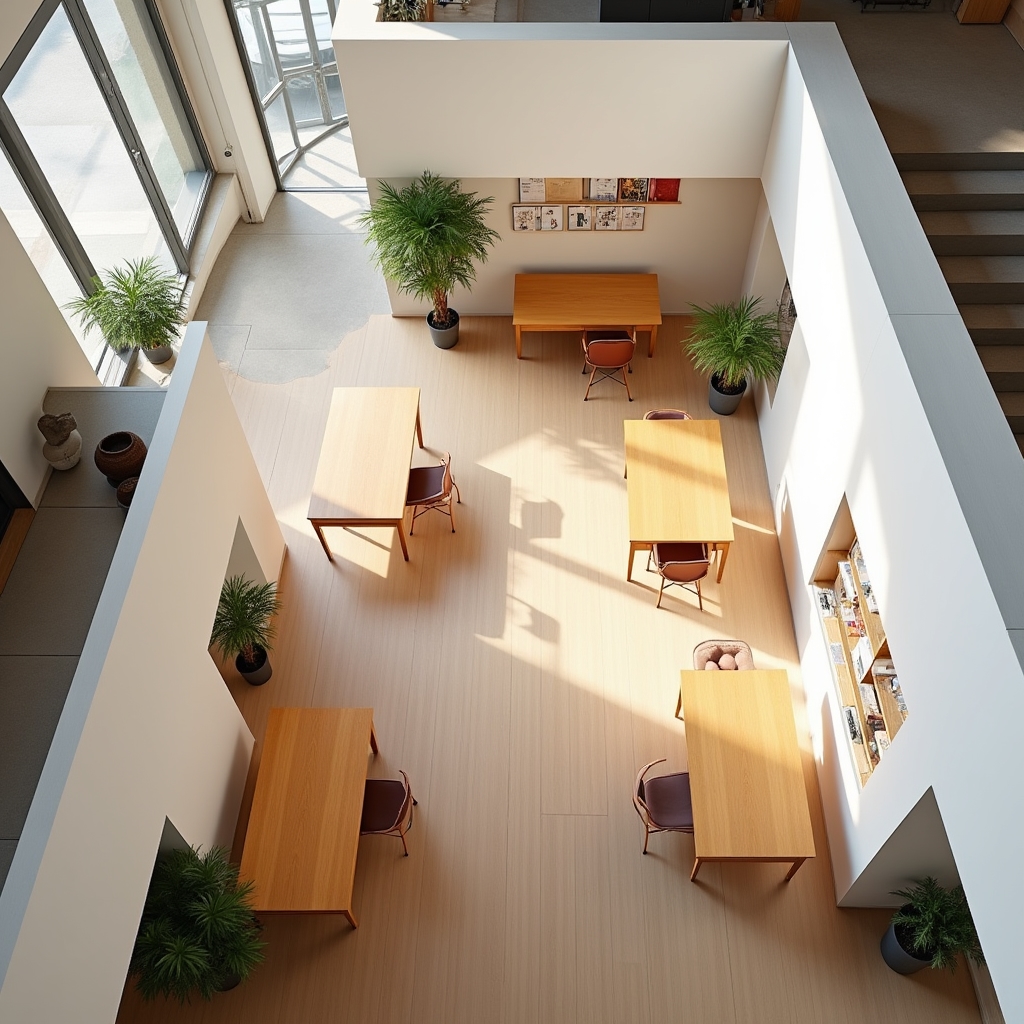
These are the six threads that most articles fall under. None of them assume you already know the coworking industry. Most readers here are shopkeepers, retired professionals, or small landlords who inherited a ground-floor unit and are trying to work out what to do with it.
How to judge whether a given shop, its ceiling height, its plumbing and its street access can realistically hold six desks and a meeting corner.
Which fittings members actually use daily, and which ones landlords buy out of habit because "every coworking space has one".
Setting a desk price that covers rent, utilities and cleaning in a city where the paying audience is much smaller than in a capital city.
What changes in a lease agreement when the person signing it also runs the day-to-day business inside the space.
Turning a shop floor with a shopfront window into a working office layout without a full architectural redesign.
Observations gathered from operators in Lublin, Rzeszów and Bydgoszcz, three cities with very different rent levels and demand.
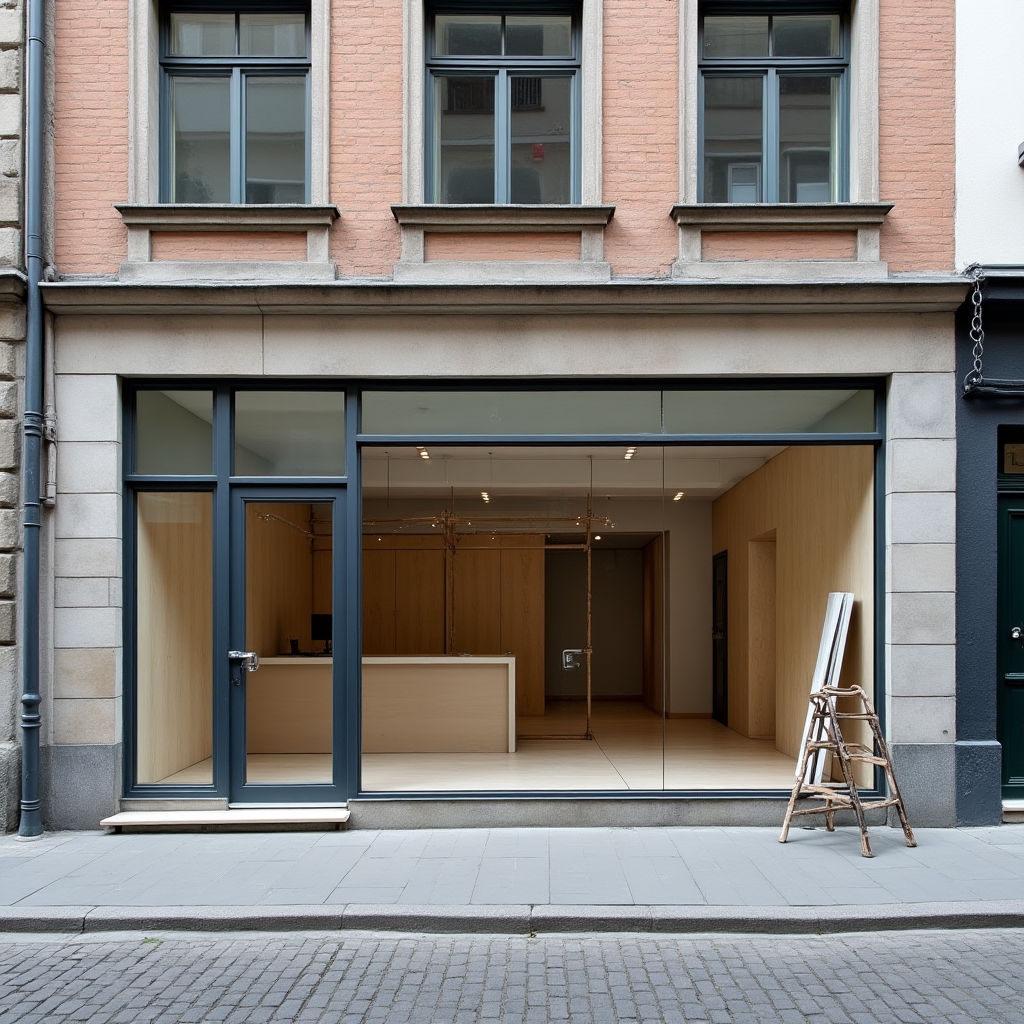
The unit had a street-facing display window, a narrow back room, and a single toilet that hadn't been touched since the 1990s. The owner wanted six desks, a small meeting room, and enough kitchen space for coffee and lunch. The full write-up walks through the sequence that avoided reopening walls twice: electrics before flooring, internet line before furniture delivery, signage last.
It also covers the two decisions the owner later said he'd handle differently: the glass partition for the meeting room, and the order in which he told his existing retail tenant downstairs that the lease wouldn't be renewed.
Read the conversion guideCoworking demand in Poland isn't only a Warsaw or Kraków story anymore. Remote work, IT departments moving out of capital cities, and freelancers who don't want to work from a kitchen table have created small but steady demand in cities of two hundred to three hundred thousand people. The pattern looks different in each city.
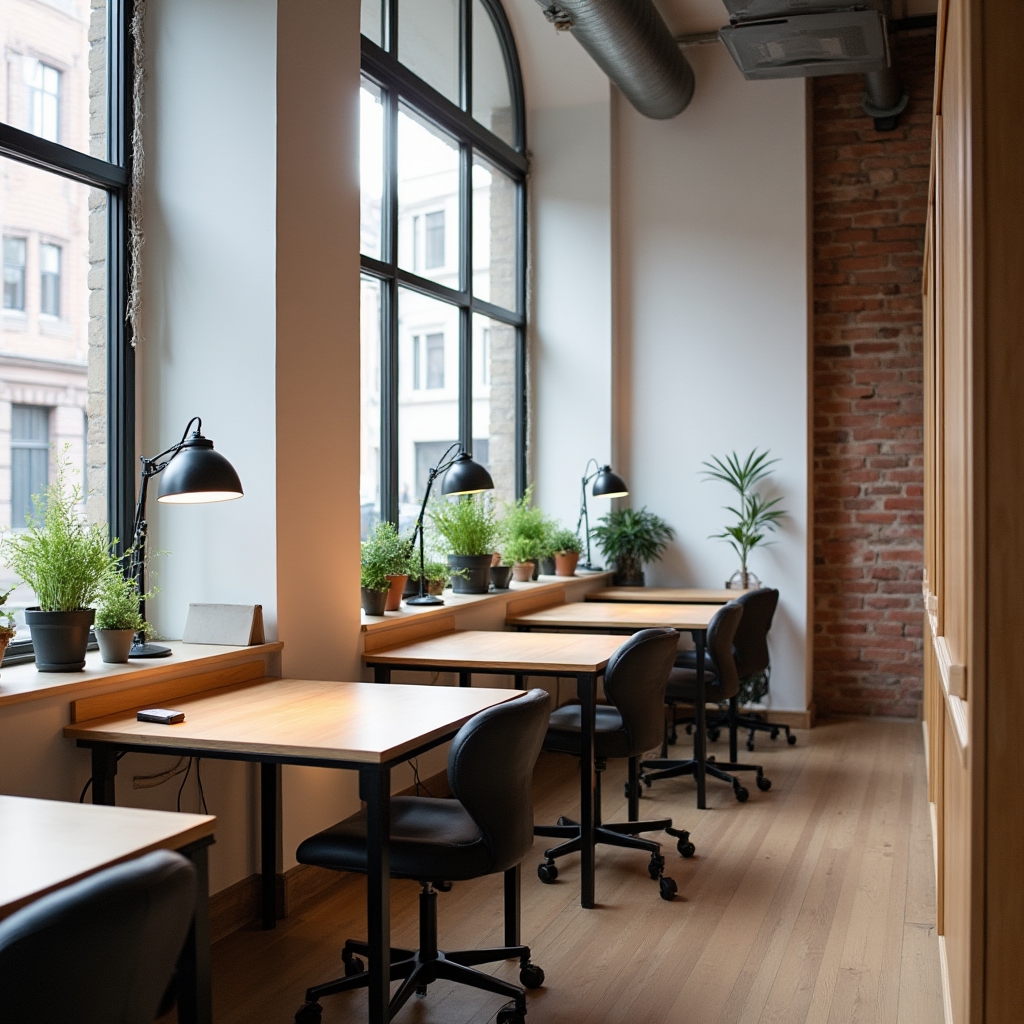
A university city with a steady flow of graduates staying on as freelancers and small IT contractors.
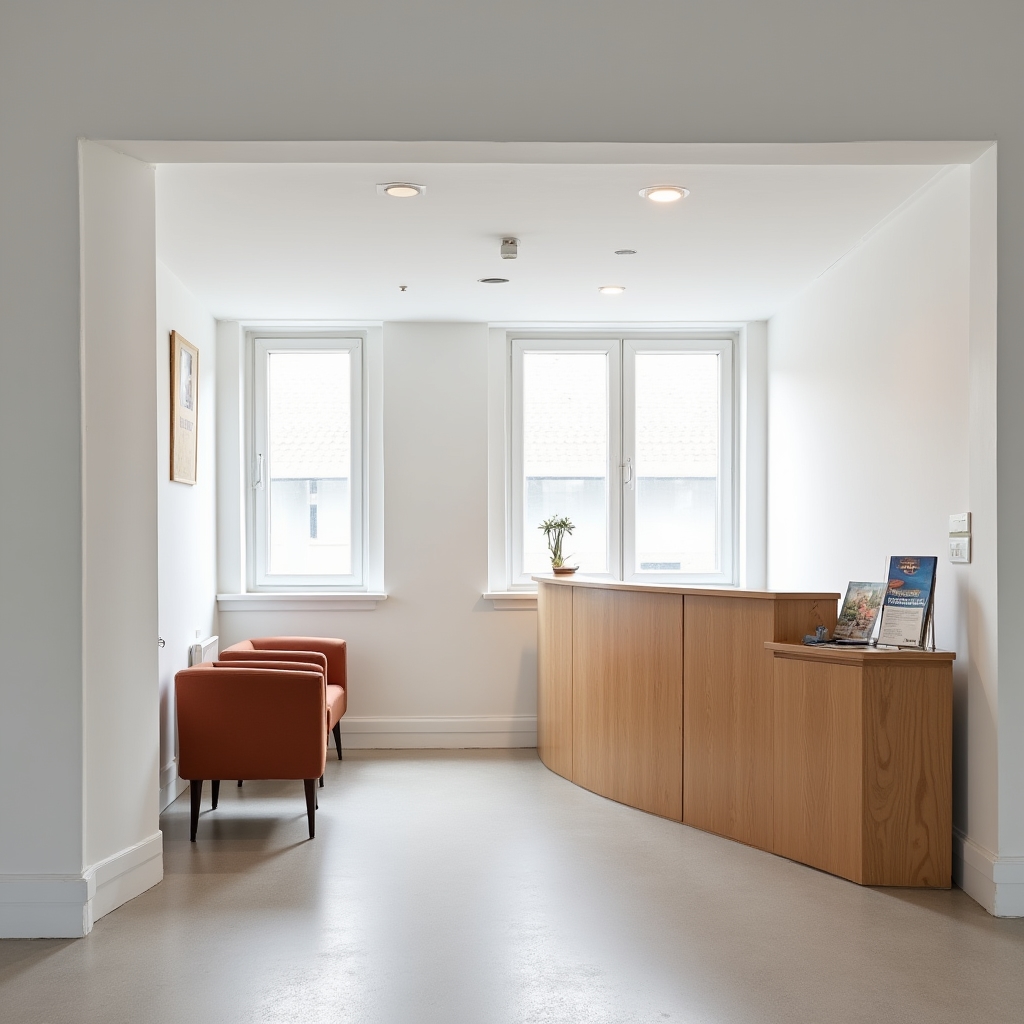
Aerospace and IT firms based nearby push demand for meeting rooms more than for daily desks.
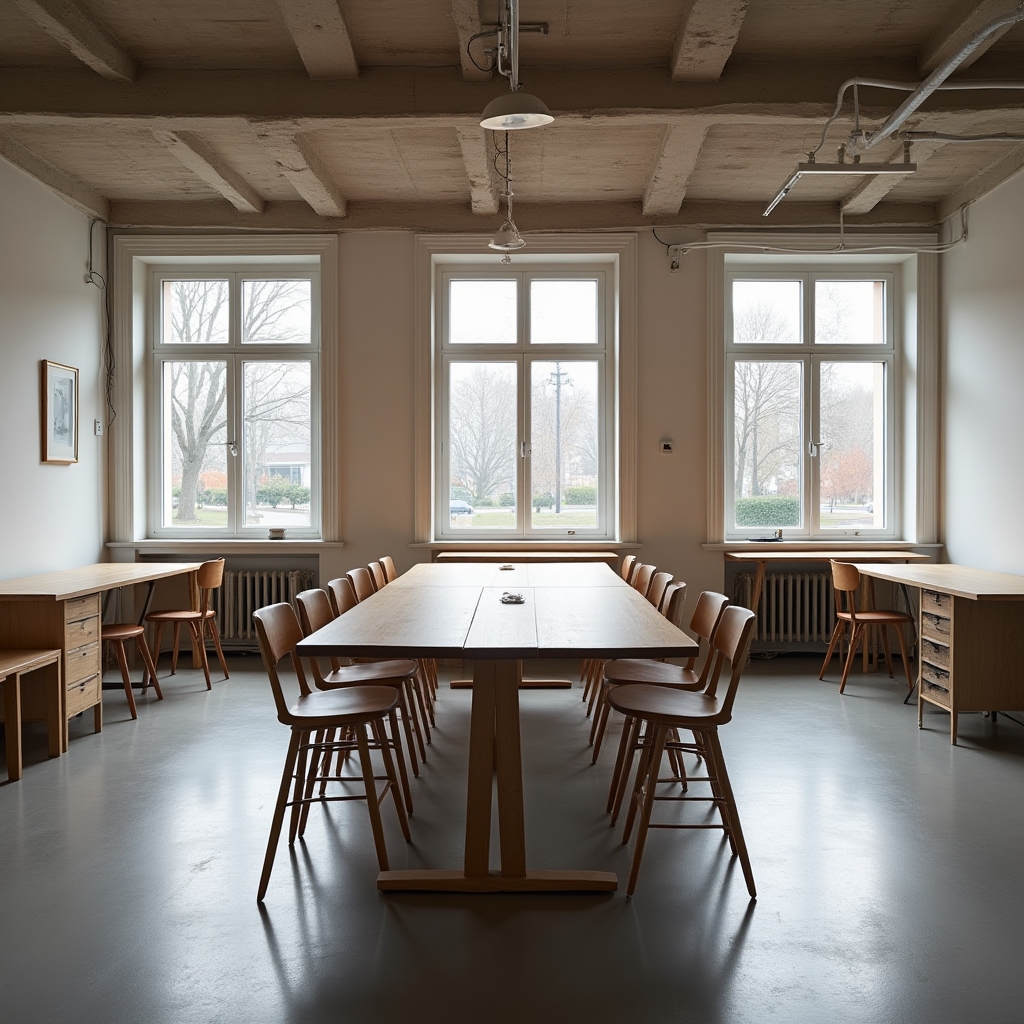
A slower-moving rental market where desk prices stay flatter across the year than in university towns.
There's no form to fill in to get "matched" with anything here. If something on this site raises a question specific to your building, you're welcome to write in.
Get in touch