
Good afternoon
How this blog started
A short account of the shop, the spreadsheet, and the decision to write it all down.
A stationery shop that closed in 2021
The building at the centre of this story is a two-storey retail unit that had housed a stationery shop for almost fifteen years. When the tenant closed during a slow stretch, the ground floor sat empty for eleven months. Three separate retail tenants viewed it and walked away, each one citing the same thing: foot traffic on that street had shifted two blocks over after a bus route changed.
The owner didn't want to drop the rent further, and didn't want to leave it empty either. A friend running a small design studio mentioned that she'd been looking for desk space outside her apartment for months but couldn't justify a full office lease on her own. That conversation is where this whole thing started.

Why six desks, specifically
Six wasn't a target number chosen for branding reasons. It was what fit once the back third of the unit was set aside for a small meeting room and a kitchen counter, while leaving enough space between desks that people weren't shoulder to shoulder. A seventh desk would have meant losing the meeting room or narrowing the main walkway to something uncomfortable. That kind of constraint shows up again and again in units this size across Polish secondary cities: the room decides the number, not the business plan.
The fit-out took about seven weeks longer than planned, mostly because of an electrical panel that needed upgrading before six workstations and a kitchen kettle could safely run at once. That single delay became the first thing written down, because it was the first cost nobody had budgeted for.
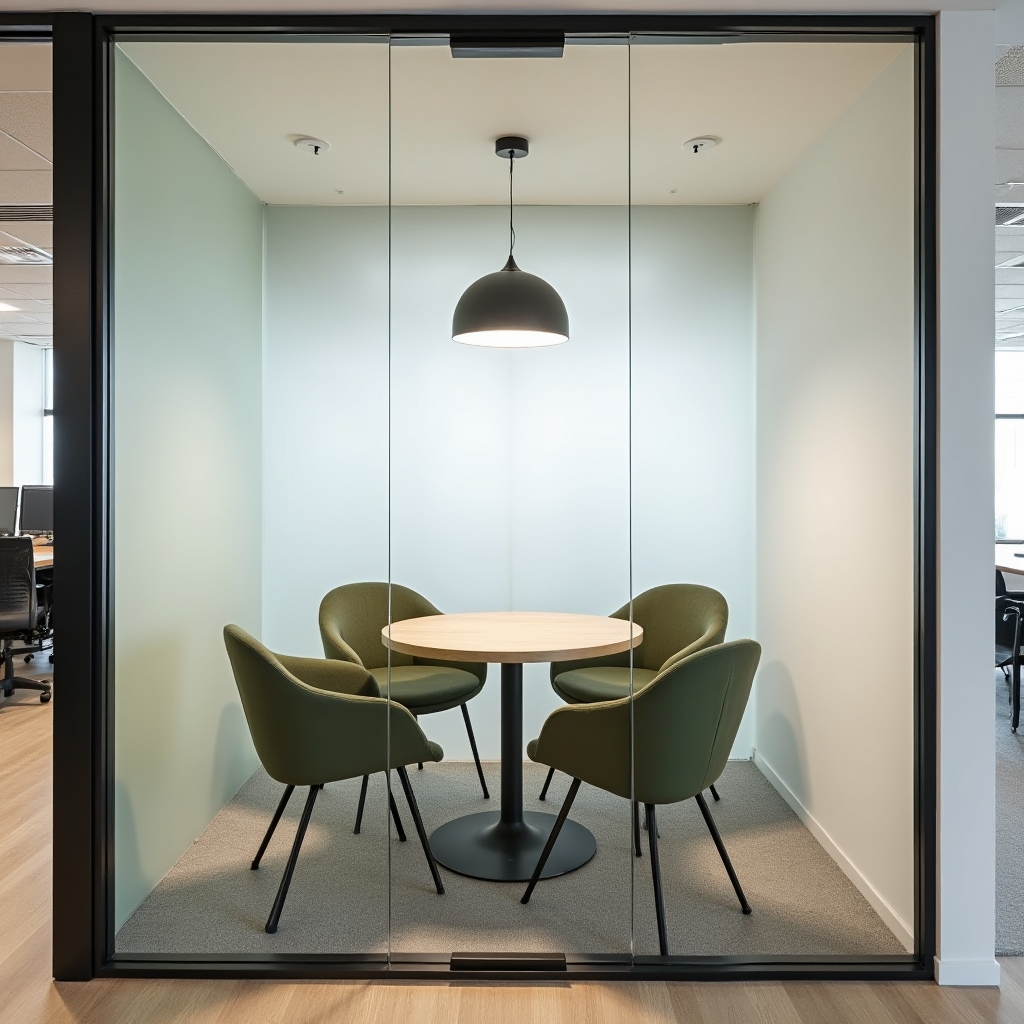
The meeting room got booked more than the desks
The assumption going in was that desks would be the product and the meeting room would be a nice extra. In practice, several members who never used a permanent desk still paid for occasional meeting room hours, sometimes for calls with clients in other cities. That single observation changed how the space was priced within the first few months, and it's a theme that keeps coming up when comparing notes with operators elsewhere.
It also meant some early decisions, like putting the meeting room at the very back of the unit rather than near the entrance, made day-to-day traffic more awkward than expected. That's the kind of thing you only learn by running the space yourself.
Most guides assume you're not the landlord
Almost everything written online about coworking spaces is aimed at operators who are renting from someone else, or at investors evaluating a franchise. Very little addresses the specific position of owning the building and also running the business inside it. That position changes almost every decision: how you structure the lease with yourself, how you think about vacancy risk, what happens if the coworking side doesn't work out and you need to revert to a standard retail tenant.
This blog exists to fill in that specific gap, using direct experience and comparisons gathered from conversations with a handful of other landlord-operators in Lublin, Rzeszów and Bydgoszcz. Nothing here is sold, brokered, or arranged. It's simply written down so the next person doesn't have to relearn the electrical panel lesson the hard way.